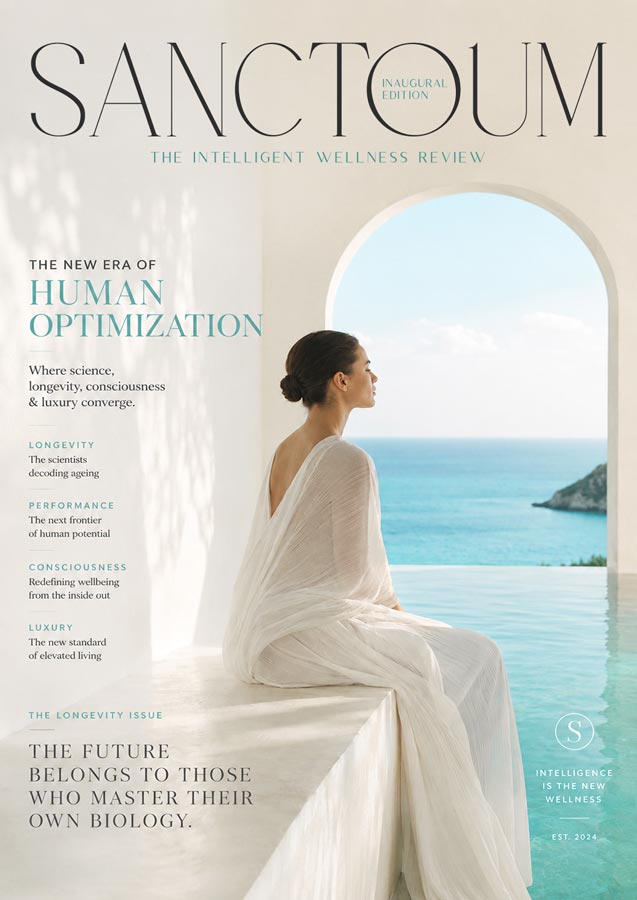

Returning to Earth
HOW PLANT-BASED NUTRITION NOURISHES THE BODY, PROTECTS HEALTH, AND AWAKENS VITALITY
or centuries, humanity lived in close relationship with the earth. Every season offered its own harvest, every landscape its own healing plants, and every meal represented a direct connection between nature and the body.
Today, despite unprecedented advances in medicine and technology, modern society faces rising levels of obesity, diabetes, cardiovascular disease, digestive disorders, chronic inflammation, hormonal imbalance, and mental fatigue. Increasingly scientific research points toward one of the simplest yet most powerful interventions available to us: eating more plants.
A plant-based lifestyle is far more than a dietary trend. It is an invitation to nourish the body through whole foods that naturally provide the vitamins, minerals, antioxidants, fiber, and phytonutrients essential for optimal health. It is a return to food in its most authentic form, a way of eating that supports longevity, vitality, and disease prevention while cultivating a deeper respect for ourselves and the planet that sustains us.
“The greatest medicine has always grown beneath our feet.”

PLANT-BASED IS NOT THE SAME AS VEGAN
One of the greatest misconceptions surrounding plant-based nutrition is that it is identical to veganism. While both approaches prioritize foods derived from plants, their philosophies differ.
A vegan lifestyle is primarily an ethical choice. It seeks to avoid all animal-derived products, not only in food but often also in clothing, cosmetics, and everyday consumer goods.
A plant-based lifestyle, however, focuses first on health. The emphasis is placed on consuming predominantly whole plant foods such as vegetables, fruits, legumes, whole grains, herbs, nuts, seeds, and healthy oils. Some individuals may occasionally include fish, eggs, or small amounts of dairy, while others choose to avoid animal products entirely.
The defining principles are not restriction but abundance.
Instead of asking “What must I eliminate?” The plant-based philosophy asks “How can I nourish my body more completely?”
NATURE’S PHARMACY
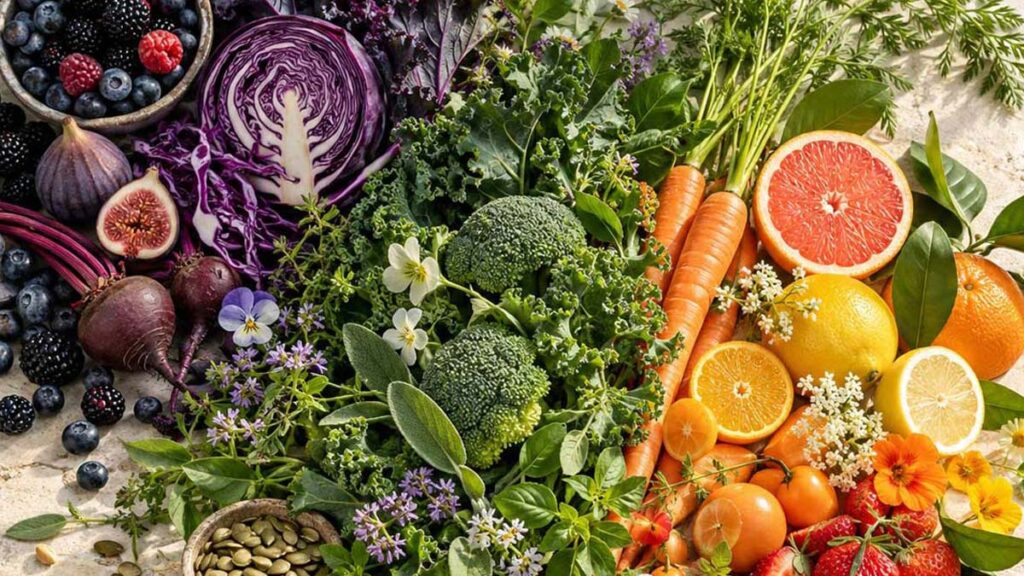
Every colorful fruit and vegetable contains thousands of naturally occurring compounds that work together in remarkable harmony. Scientists have identified more than 25,000 phytochemicals, powerful plant compounds that help defend the human body against oxidative stress, chronic inflammation, and cellular damage.
Unlike synthetic supplements, these nutrients exist within a complete biological system that the body has evolved alongside for millennia.
Dark leafy greens supply chlorophyll, magnesium, folate, and vitamin K.
Orange vegetables provide beta-carotene, which the body converts into vitamin A.
Berries are rich in anthocyanins that support brain health and protect blood vessels.
Cruciferous vegetables such as broccoli, cabbage, cauliflower, and Brussels sprouts contain sulphoraphane, one of the most extensively researched compounds for supporting the body’s natural detoxification pathways.
Every meal becomes an opportunity to provide thousands of beneficial compounds that pharmaceuticals simply cannot replicate.
THE HIDDEN POWER OF FIBRE
Probably the single most overlooked nutrient in modern nutrition is dietary fiber. Animal foods contain none. Whole plant foods are naturally abundant in it.
Fiber performs countless essential functions:
● feeds beneficial gut bacteria
● improves digestion
● regulates bowel function
● stabilizes blood sugar
● lowers cholesterol
● supports immune health
● increases satiety
● assists healthy weight management
● reduces inflammation
Our digestive system is home to trillions of microorganisms collectively known as the gut microbiome.
Scientists increasingly describe the gut as the body’s “second brain” because these microbes influence immunity, metabolism, mood, cognition, and hormone production.
When we feed these beneficial bacteria with vegetables, legumes, fruits, nuts, seeds, and whole grains, they produce short-chain fatty acids that help reduce inflammation and strengthen the intestinal barrier.
A healthier gut often translates into clearer thinking, stronger immunity, improved mood, and greater overall wellbeing.
FOOD AND MENTAL CLARITY
Many people describe an unexpected benefit after adopting a predominantly plant-based diet. They begin to think more clearly. The afternoon energy crashes diminish, and mental fog gradually lifts. Concentration improves.
Although this may seem surprising, it reflects several biological processes occurring simultaneously. Stable blood sugar prevents dramatic fluctuations in energy. Reduced inflammation supports healthy brain function. Improved circulation delivers more oxygen to the brain.
“A thriving microbiome enhances communication between the gut and the nervous system”.
The foods we eat literally become part of the chemistry through which we think, feel, and experience life.
ENERGY THAT COMES NATURALLY
Many people rely on coffee, sugar, or energy drinks to sustain them through demanding days. Yet genuine energy is not created by stimulation. It is created by efficient cellular function.
Plant foods provide complex carbohydrates that release glucose steadily rather than in rapid spikes. They also contain essential B vitamins involved in converting food into cellular energy.
Magnesium supports hundreds of enzymatic reactions within every cell. Iron contributes to oxygen transport. Potassium supports muscle and nerve function.
When meals become nutrient-dense rather than calorie-dense, the body often requires less effort to digest food while producing more sustainable energy throughout the day.
HEALTHY WEIGHT WITHOUT EXTREME DIETING
The modern diet industry often encourages restriction, counting calories, or eliminating entire food groups.
“Plant-based nutrition offers another perspective”.
Whole plant foods are naturally rich in water and fiber while generally being lower in calorie density than heavily processed foods. This means people frequently feel satisfied while consuming fewer calories naturally.
Because fiber slows digestion and promotes fullness, excessive hunger becomes less common.Instead of fighting the body, the body begins working with us.
Healthy weight becomes a consequence of nutrition rather than deprivation.
SUPPORTING HORMONAL BALANCE
Hormones influence nearly every function within the human body, from metabolism and fertility to sleep, mood, stress, and appetite.
While hormonal health depends upon many factors including sleep, stress management, exercise, and genetics, nutrition plays an important role. Healthy plant fats provide the building blocks necessary for hormone production.
Flaxseeds contain lignans that may support healthy estrogen metabolism. Soy foods such as tofu, tempeh, and edamame contain naturally occurring isoflavones that have been extensively studied for supporting women’s health, particularly during menopause.
Colorful vegetables help support liver function, an organ responsible for processing and eliminating excess hormones. Stable blood sugar reduces unnecessary insulin spikes that can contribute to hormonal disruption.
The body functions best when given consistent nutrition rather than constant metabolic stress.
HEALTHY FATS ARE ESSENTIAL
For many years dietary fat was unfairly blamed for numerous health problems. Today we understand that the quality of fat matters far more than the quantity.
Healthy fats support:
● brain function
● hormone production
● healthy skin
● nerve health
● vitamin absorption
● cellular membranes
● heart health
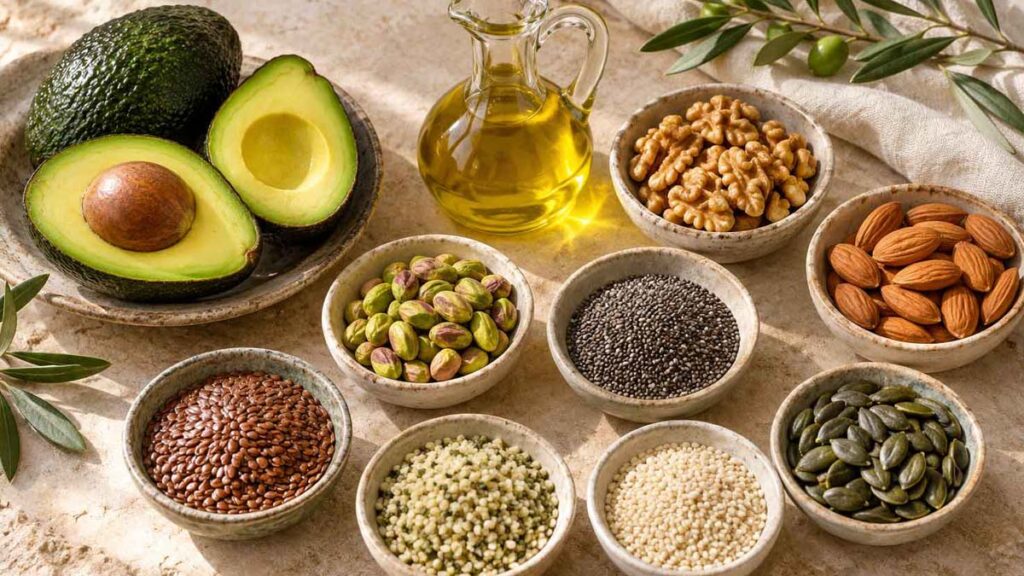
Excellent plant sources include:
● avocados
● extra virgin olive oil
● walnuts
● almonds
● pistachios
● chia seeds
● flaxseeds
● hemp seeds
● sesame seeds
● pumpkin seeds
Omega-3 fatty acids from flax, chia, hemp, and walnuts contribute to cardiovascular and cognitive health while helping regulate inflammation.
CAN PLANTS PROVIDE ENOUGH PROTEIN?
One of the first questions people ask is: „Where do you get your protein?“
The answer is: almost everywhere.
Protein exists throughout the plant kingdom. Legumes – including lentils, chickpeas, beans, peas, and soybeans, are outstanding sources.
Tofu, tempeh, quinoa, nuts, seeds, oats, and whole grains all contribute valuable protein throughout the day.
When a varied diet provides sufficient calories, most people easily meet their protein requirements. The emphasis shifts away from excessive protein consumption toward balanced nutrition.
VITAMINS & MINERALS NATURE PROVIDES
A colorful plant-based plate naturally delivers an impressive spectrum of essential nutrients.
Leafy greens provide calcium, magnesium, folate, and vitamin K.
Citrus fruits, berries, peppers, and kiwi are rich in vitamin C.
Sweet potatoes and carrots contribute vitamin A precursors.
Legumes provide iron and zinc.
Nuts and seeds offer vitamin E and selenium.
Whole grains deliver B vitamins.
Certain nutrients deserve particular attention. Vitamin B12 is not reliably supplied by plants and should be obtained through fortified foods or supplementation when following a fully plant-based diet. Individuals with limited sun exposure may also benefit from monitoring vitamin D levels.
Those avoiding seafood should ensure adequate omega-3 intake from flax, chia, hemp, walnuts, or algae-based supplements when appropriate.
Thoughtful planning, not perfection, is the key to long-term nutritional success.
THE MOST POWERFUL BENEFIT: DISEASE PREVENTION
The greatest gift of a whole-food plant-based lifestyle lies not in treating disease but in reducing the likelihood of developing it.
Research consistently associates diets rich in vegetables, fruits, legumes, whole grains, nuts, and seeds with lower rates of cardiovascular disease, hypertension, type 2 diabetes, obesity, and certain cancers. These foods help reduce chronic inflammation, improve cholesterol levels, support healthy blood pressure, enhance insulin sensitivity, and protect the integrity of our cells through their abundance of antioxidants and phytonutrients.
No single food can guarantee perfect health, nor can any diet eliminate all risk. Yet the evidence is compelling: the more consistently we nourish ourselves with minimally processed plant foods, the greater our opportunity to support long-term health and resilience.
Disease prevention is not found in one miraculous ingredient. It is found in the quiet, repeated choices we make every day.

RETURNING HOME
Perhaps the greatest transformation offered by plant-based living is not physical at all. It is the restoration of our relationship with food. We begin to appreciate ingredients rather than products.
We rediscover seasons, and cook with intention. We eat with gratitude.
Health ceases to be something we chase after illness appears; it becomes something we cultivate every day.
The earth has always provided extraordinary nutrition. Every leaf, seed, root, fruit, bean, herb, and grain carries a remarkable intelligence shaped over millions of years of evolution. When we fill our plates with this abundance, we are not following a passing trend, we are participating in one of humanity’s oldest forms of medicine.
Every meal becomes a quiet act of self-care. Every colorful plate becomes a reminder that true wellness does not begin in a laboratory.
It begins in the soil.