
Connecting The Different Languages of Medicine
DR. AJMAL MASROOR
From internal medicine and geriatrics to acupuncture, nutrition and manual therapies, the essen-based physician’s career offers a perspective on what it means to care for the whole person
medical career can be read as a sequence of appointments, qualifications and dates. Occasionally, it also reveals an interesting connection between disciplines: the same physician working across hospital wards, surgical settings, family practices and complementary medicine.
Dr. Ajmal Masroor’s professional journey follows this broader path.
A specialist in general medicine with a practice in Essen, Germany, he brings together conventional medical care and disciplines including manual medicine, osteopathy, acupuncture, nutritional medicine and naturopathy. His practice publicly describes an approach that combines general medicine with complementary treatments and prevention.
For SANCTOUM, the interest lies in how these fields meet. What does a background in internal medicine bring to a consultation about persistent discomfort? How might experience caring for older patients inform a conversation about prevention? And What can a physician learn by moving between different ways of examining the body?
A FOUNDATION BUILT ACROSS CLINICAL SETTINGS
Dr. Masroor studied medicine at Minsk Medical University between 1991 and 1998. His subsequent clinical career in Germany included placements in internal medicine and general practice in Heinsberg and Cologne, followed by hospital appointments in Geldern and Jülich.
Further experience took him into ambulatory surgery in Cologne and into internal medicine and geriatrics in Attendorn. He later worked in an internal medicine and general practice in Cologne, before joining an internal medicine and rheumatology group practice in Essen from 2007 to 2009.
The range is significant. These settings encounter health at different stages: an immediate complaint, a condition requiring investigation, the demands of recovery, or the gradual complexities of aging.
His CV records a period of freelance medical work, including practice cover and emergency services, before he established his own practice n 1 April 2011.
Read together, these appointments suggest a professional foundation shaped by both hospital medicine and the everyday continuity of primary care.
THE GENERAL PRACTITIONER’S WIDER VIEW
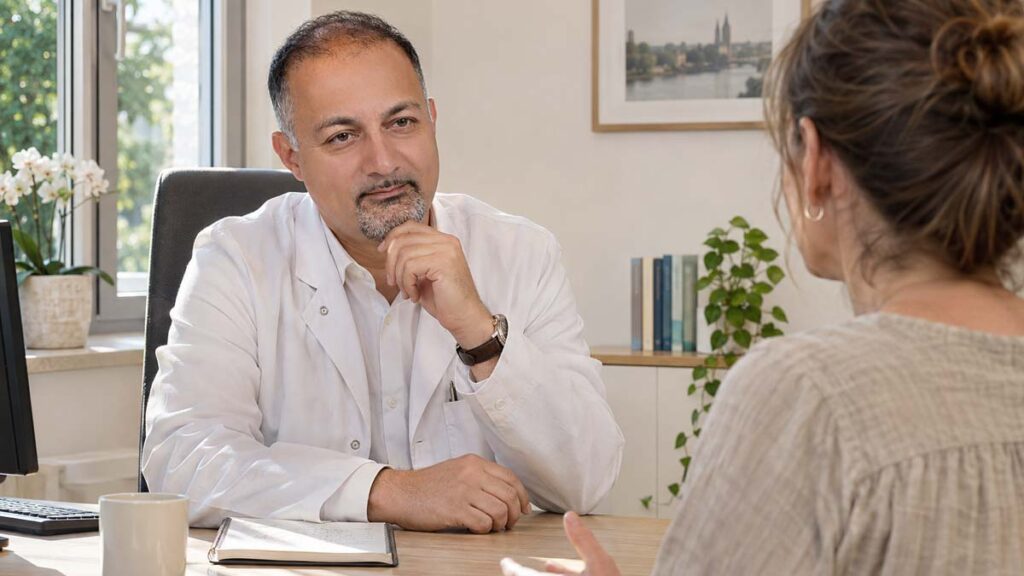
General medicine occupies a particular place in healthcare. It is often where a person first brings a concern that has yet to acquire a clear medical name.
The task begins with understanding what needs investigation, what requires treatment and what should be referred for specialist attention. It also creates space to consider the circumstances surrounding a complaint.
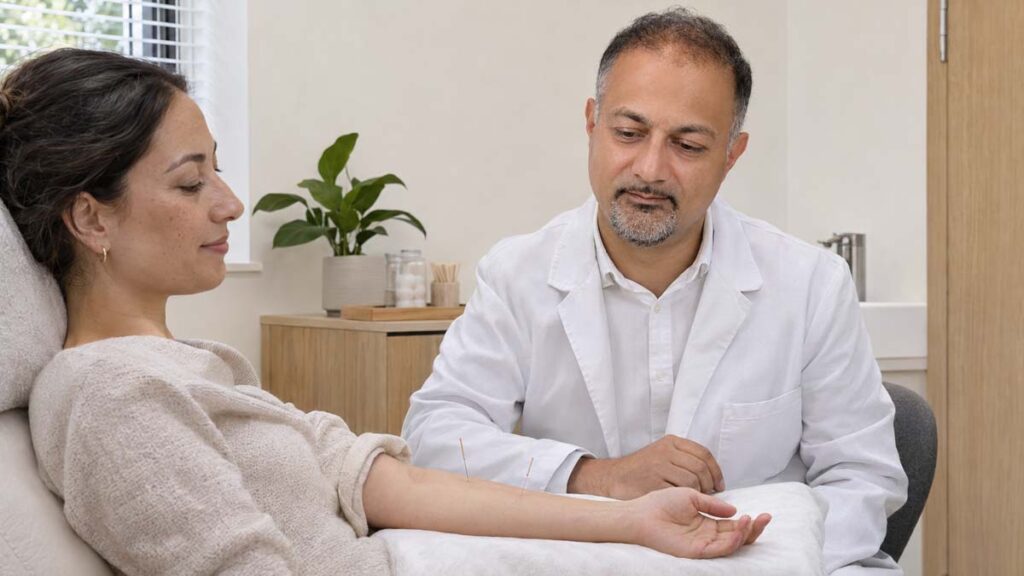
Dr. Masroor’s additional training extends across several such areas. His supplied qualifications include manual medicine and chirotherapy, osteopathy, nutritional medicine, acupuncture and naturopathy.
These disciplines involve different traditions, techniques and standards of evidence. Their presence within one professional background does not make them interchangeable. It does, however, create an opportunity to consider a patient’s needs from more than one perspective, while keeping clinical assessment central.
WHEN EXAMINATION INCLUDES THE HANDS
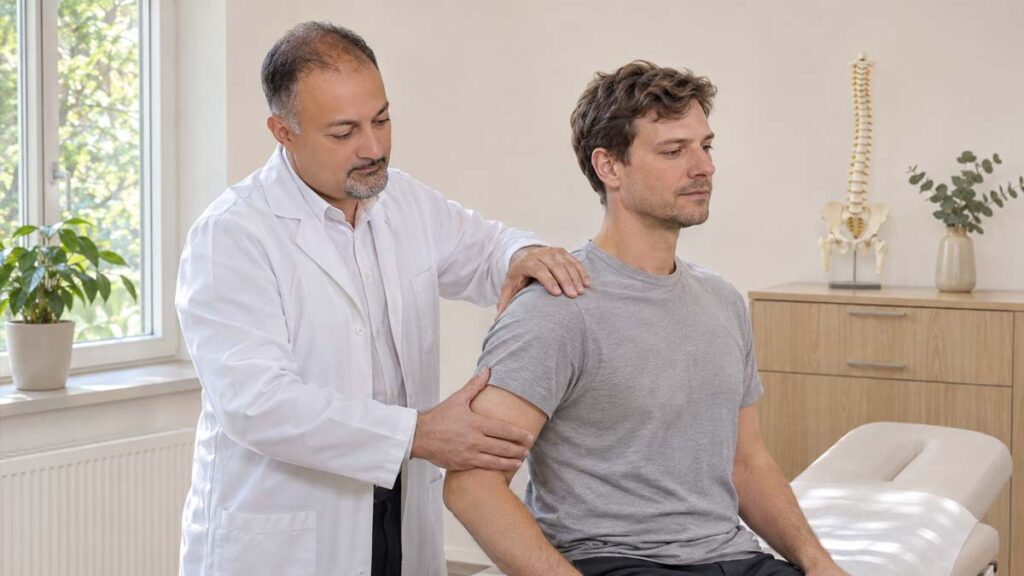
Manual medicine and osteopathy introduce a practical dimension to that broader view:
examination through touch and movement.
“In an increasingly technology-driven healthcare environment, this remains an interesting point of connection.”
A consultation can involve both diagnostic information and a physical examination that considers how a person moves.
Dr. Masroor’s practice identifies osteopathy as a particular focus, alongside its general medical services. It also lists acupuncture among its available treatments. These are descriptions of the practice’s services; whether a particular treatment is appropriate depends on the condition, the evidence and the individual patient.
PREVENTION IN AN EVERYDAY SETTING
Wellness conversations often take place around retreats, advanced testing and ambitious promises of transformation. Primary care brings prevention into a more familiar setting; a local practice, an examination and an ongoing medical relationship.
Dr. Masroor’s practice describes preventive care that includes ECG, ultrasound, lung function testing and laboratory investigations. Its publishes approach also considers nutrition and family history.
This is where his background in nutritional medicine connects with his role as a general practitioner. Nutrition becomes part of a medical conversation, considered alongside a person’s history, findings and wider care.
His earlier experience in geriatrics adds another relevant dimension to the profile. Caring for older patients places the consequences of health over time directly before a physician: the importance of mobility, independence and the ability to participate in daily life.
A CAREER AT THE INTERSECTION
Dr. Masroor’s career offers a useful subject for a wellness publication such as SANCTOUM because it crosses boundaries that patients themselves rarely experience as separate.
A person arrives with one body and one life, even when their care involves several disciplines.
The challenge for medicine is to bring those perspectives into a coherent, responsible plan. That requires curiosity, sound diagnosis, clear explanations and an honest understanding of what each intervention can offer.
With a career spanning conventional clinical settings and additional training in complementary disciplines, Dr. Ajmal Masroor’s work opens a worthwhile conversation about that challenge, and about the role of the general practitioner in keeping the whole person in view.