
Beyond Relaxation
CAN AN INDUSTRY DEDICATE TO WELLBEING TRULY FULFILL ITS PURPOSE IF THE PEOPLE BEHIND IT STRUGGLE TO MAINTAIN THEIR OWN?
hat if a spa could become more than a place to escape everyday life, a space for self-discovery, personal growth and lasting change.
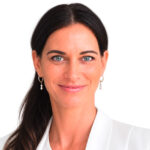
With a career spanning physiotherapy, international cruise operations, longevity and luxury hospitality, Katja Majorow brings a distinctive perspective to the wellness industry. Her professional experience, combined with a personal interest in yoga, meditation, hypnotherapy and sacred music, has inspired her to question conventional spa concepts.
In conversation with SANCTOUM, she explores a future in which business and purpose coexist, leadership becomes more human, and wellbeing extends far beyond the treatment room.
Your professional journey has taken you from physiotherapy to luxury hospitality. What connects these seemingly different worlds?
My career began in physiotherapy, where I developed an understanding of the human body, physical recovery and therapeutic care. Leading a health center introduced me to the responsibilities of business management and leadership.
I later entered the international cruise industry, progressing from therapist and spa reception to management, before helping launch a longevity spa with luxury hospitality.
Alongside my professional career, I explored yoga, meditation, hypnotherapy, coaching and symbolic work, including the psychology of Tarot. Music also plays an important role in my life. I sing, play instruments and create meditative sacred music.
Although these disciplines may appear very different, they are connected by one fundamental question: What truly makes people feel better?
Physiotherapy taught me to understand the body, Meditation taught me awareness. Music showed me how emotions can be expressed beyond words. Management taught me how to transform ideas into reality.
I see enormous potential in bringing these worlds together.
What do you believe needs to change in the way spas approach wellbeing?
I believe we need to move beyond the idea that wellness begins when a treatment starts.
Every guest arrives with a different story, emotional state and set of needs. Yet, we often approach wellbeing through predefined treatment menus and standardized experiences.
I would love to see the experience begin with a meaningful conversation. One person may need physical relief, another emotional reassurance, and someone else simply a moment of silence.
We live in a world that constantly asks us to achieve more, respond faster and remain available. Many people have become so accustomed to functioning that they rarely stop to ask themselves how they actually feel.
A spa can offer something increasingly rare: the opportunity to pause.
Beautiful interiors, treatments, rituals and sensory elements provide the framework. But the true essence of the experience lies in what happens within the person.
“The true luxury of a spa may not be what surrounds us, but what it allows us to rediscover within ourselves.”
Could coaching and therapeutic approaches become part of the spa experience?
Absolutely. I see great potential in creating bridges between wellness, lifestyle coaching and qualified therapeutic professionals.
A spa already provides an environment in which people intentionally take time for themselves. When we feel calmer and safer, we may become more receptive to our emotions, needs and habitual patterns.
Through thoughtful conversations, mindful practices and, where appropriate, professional guidance, spas could offer a gentle introduction to personal development.
Of course, coaching and psychotherapy have distinct roles, and neither should be confused with the other. The intention is not to turn every spa visit into a therapeutic session, but to recognize that wellbeing have many dimensions.
Sometimes, the most meaningful experience begins with feeling safe enough to listen to yourself.
“We dedicate our energy to creating wellbeing for others. But who creates the space for our own wellbeing?”
The answer is not to abandon ambition or professionalism. It is to reconsider how we work and remember why we entered this industry in the first place.
Does this mean the traditional structure of spa teams need to evolve?
I believe so. Today’s spa managers are expected to oversee operations, budgets, teams, quality standards, innovation, guest experiences and commercial performance. These responsibilities have become increasingly complex, yet the traditional management structure has changed very little.
There is an opportunity to introduce more specialized roles, such as wellness coaches, experience developers, quality managers and dedicated spa trainers.
Therapists, for example, may be highly skilled in delivering treatments, but the guest experience also requires communication, consultation and an understanding of individual needs. Even seemingly small operational details, such as cleanliness, atmosphere and the transition between treatments, can significantly influence how a guest experiences a space.
A more specialized structure would allow individuals to develop their strengths while giving spa managers greater freedom to focus on leadership, strategy and innovation.
What does meaningful leadership look like to you today?
Leadership is about developing potential. A team that feels valued, supported and connected to the purpose of its work will approach guests differently.
As leaders, our responsibility extends beyond managing shifts and achieving targets. We must create an environment in which people can grow, gain confidence, express their creativity and genuinely enjoy what they do.
My own understanding of leadership has evolved considerably. I want to bring together structure and intuition, strategy and human connection. Leadership is not only about managing what already exists. It is about creating the space for something new to emerge.
How would you translate your vision into new wellness concepts?
I would love to develop programmes that reflect the unique identity of each destination, rather than introducing standardized experiences. These could take the form of retreats, workshops, individual coaching, movement practices, meditative music, sensory rituals or programmes designed to support guests beyond their stay.
I am equally interested in working with spa teams: developing concepts, refining the guest journey, introducing new treatments, improving quality and inspiring people through training.
Sometimes, the greatest transformation begins with noticing something others have overlooked, the atmosphere of a room, the flow of an experience or a missing element that could give an existing concept an entirely new dimension.
It is not simply about identifying what could be improved. It is about recognizing the potential of a place and bringing that potential to life.
What would your ideal next chapter look like?
I would love to collaborate with wellness destinations around the world, particularly those where wellbeing is an integral part of the hotel’s philosophy.
My ambition is to work at the intersection of concept development, guest experience, team development and holistic wellbeing. I no longer feel the need to choose between my analytical, business-oriented side and my creative, intuitive nature. Both have shaped who I am.
What excites me is the possibility of creating bridges between disciplines, cultures and people, and helping transform ambitious visions into experiences that genuinely make a difference.
If you could leave the wellness industry with one thought, what would it be?
The future of wellness does not require us to choose between business and purpose, luxury and health, or performance and presence.
The real opportunity lies in bringing these worlds together.
Wellbeing cannot be delivered through a concept alone. It must be understood, experienced and embodied by the people behind it. Because ultimately, we cannot authentically offer others what we have forgotten to cultivate within ourselves.