
The Breath that Changed Everything
he room in Bali was full of people who had come to experience breathwork with Dr. Espen. We all knew how to breathe. None of us knew quite what to expect when we gave it our full attention.
As the session unfolded, the atmosphere in the room changed. People were visibly moved, and I felt something shift in myself. The experience was mindblowing for me and for those around me. Afterwards, I wanted to understand how a practice built around something so familiar could have such a profound effect.
FOR DR. ESPEN, THAT QUESTION BEGAN IN A HOSPITAL BED.
In 2006, a motorcycle accident in Melbourne left him with shattered legs and a long recovery ahead. Multiple surgeries followed. Then, after the metal implants were removed, he developed a serious staph infection. He lost weight, his condition deteriorated, and doctors warned that he might lose a leg.
He tells the story of that period as the turning point in his life. Facing fear and uncertainty, he began working consciously with his breath. Dr. Espen credits that practice with playing a decisive role in his recovery. His account sounds like a miracle in healing. The ordeal was real, as was the change in direction it gave his life. It deserves to be heard in his own words, without turning one person’s recovery into a promise of what breathwork can do for everyone.
His interest in suffering and healing had begun much earlier. He lost a brother as a young child, grew up with addiction in the family, and watched his sister live with a disability. The accident intensified questions he had carried for years: What helps a person through pain? How much of our response to it can we change? And how do we begin when we feel powerless?
“What might change if we paid attention to the breath before life forced us to?”
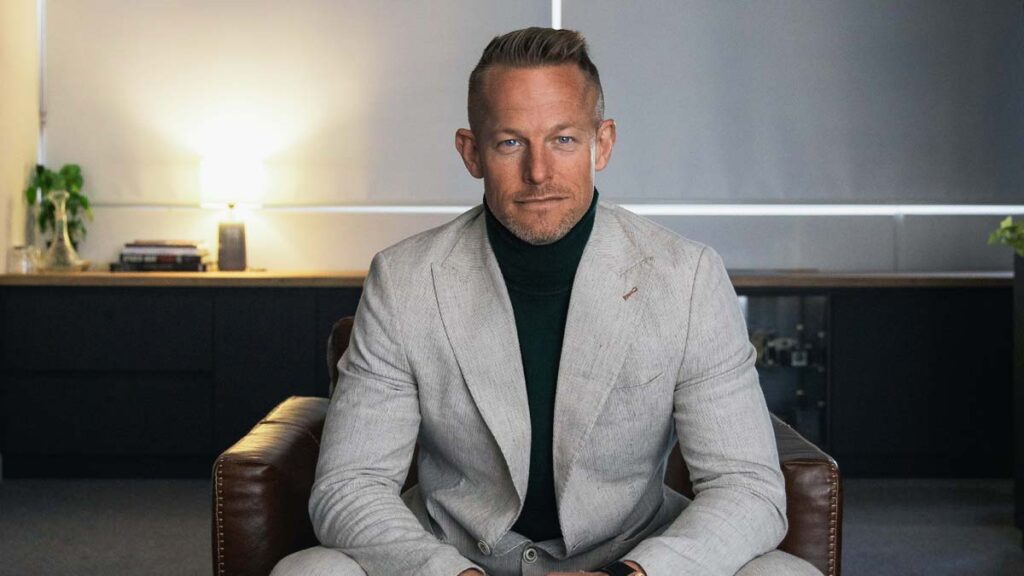
Today, Dr. Espen brings those questions into rooms like the one I entered in Bali. His work draws together breathwork, personal reflection and a belief that people can take a more active part in their own lives. He speaks about the body, mind and soul as connected parts of our experience, and asks people to notice the thoughts and emotional patterns they may have learned to live with.
Those ideas are broad. What stayed with me was much more immediate. During the session, breathing was no longer an automatic act somewhere in the background of my day. It became my entire focus. In that shared space, I could feel how rarely I give it any attention at all.
We take our first breath when we arrive in this world and our last when we leave it. Every moment between those two depends on it. Yet most of us think about our breathing only when something interrupts it: a sudden fear, a hard climb, a moment of exhaustion. If we recognise how closely it accompanies every experience of being alive, its importance becomes impossible to overlook.
The session in Bali did not answer every question I have about healing. It left me with a stronger one: what might change if we paid attention to the breath before life forced us to?
Dr. Espen’s story drew me to that room. The experience of breathing there, alongside everyone else, is what I carried away.