DISEASE MAY BE THE FINAL PHENOTYPE OF A PROCESS THAT BEGAN YEARS EARLIER
Before a diagnosis becomes obvious, multiple biological systems may already have been compensating for a long period of time. The individual may still feel “well,” while resilience is quietly declining.
This creates the possibility of what I describe as a pre-disease identity.
This is not a diagnosis. It is not a prediction that disease is inevitable. And it is not a reason to medicalize healthy people. Rather, it is the recognition that an emerging biological architecture may reveal where vulnerability is developing before conventional diagnostic thresholds are crossed.
The purpose of advanced longevity medicine should never be to frighten healthy people by assigning diseases they do not have. Its purpose should be to recognize modifiable patterns early enough that the future remains negotiable.
This is also where the current fascination with biological age deserves reconsideration.
Biological age is valuable. It gives us a language for discussing the difference between chronological time and biological performance. But age alone does not tell us enough.
A person may have a favorable biological-age estimate today while simultaneously moving in an unfavorable direction. Another person may have a less impressive biological age but be undergoing meaningful improvement in metabolic health, body composition, inflammatory balance, sleep, muscular function and cardiovascular fitness.
Which of the two has the better future? The answer may depend more on trajectory than on the number itself.
This also changes how we think about longevity.
Lifespan is not enough. Even healthspan, although extremely valuable, remains a broad concept.
What most people actually want is to preserve the years in which they can think clearly, move independently, maintain strength, metabolize efficiently, recover rapidly, remain socially engaged, travel, perform, create and make decisions with confidence. I describe these as Vitality Years.
A person may live to 95, but the more meaningful question may be: How many of those years will retain substantial cognitive, physical, metabolic and functional reserve?
The goal of longevity medicine should therefore not simply be adding years at the end of life. It should be protecting biological capital throughout life.
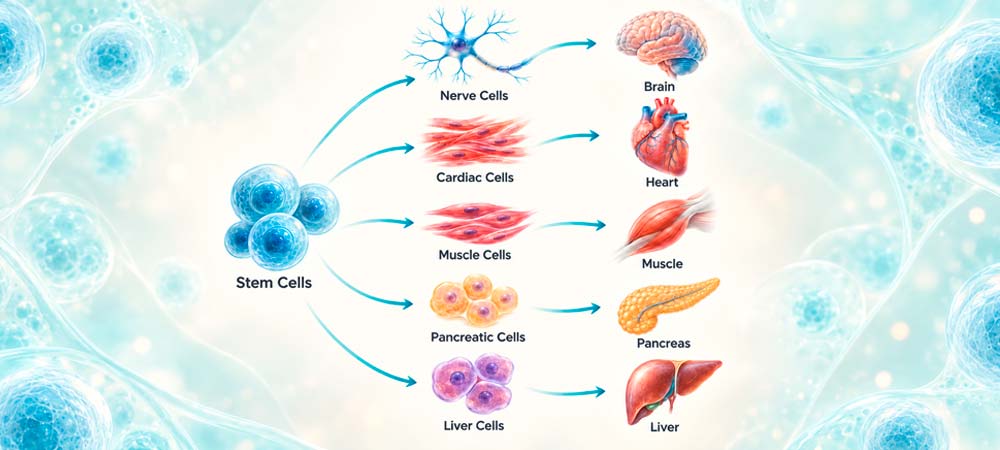
Biological capital can be thought of as the accumulated reserve that allows a person to tolerate stress, recover from challenge and maintain function across multiple systems. Muscle mass is part of that capital. Mitochondrial efficiency is part of it. Cognitive reserve, vascular integrity, immune adaptability, metabolic flexibility, sleep quality and regenerative capacity all contribute.
The more biological capital we preserve, the more options the body retains.
BUT THERE MAY BE AN EVEN DEEPER DIMENSION TO THIS CONVERSATION
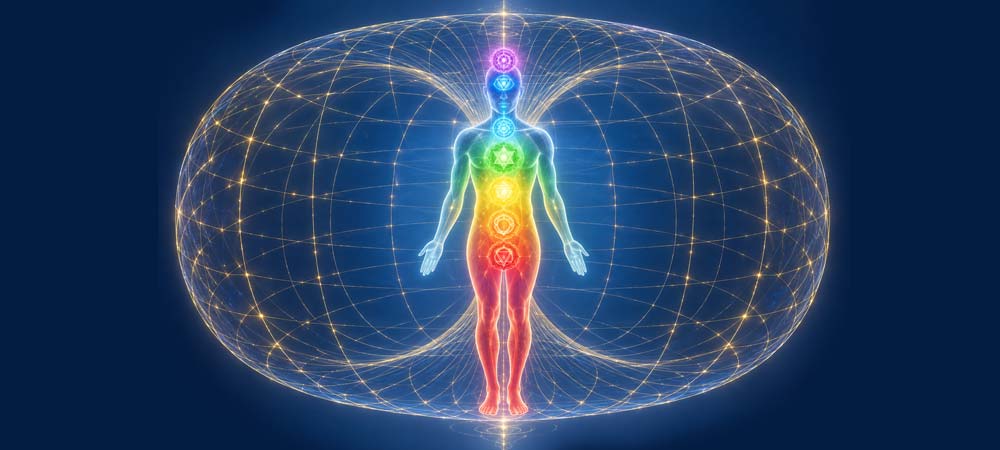
Modern medicine has traditionally interpreted the body primarily through biochemistry: hormones, enzymes, proteins, metabolites, inflammatory mediators and molecular pathways. All of these are essential. Yet biology is also governed by biophysics.
Electrical gradients across cell membranes influence cellular behavior. Mechanical forces shape tissues and gene expression. Light interacts with biological systems. Water dynamics affect molecular organization. Cells communicate through complex networks of electrical, chemical and mechanical signals.
Biochemistry remains fundamental, but it may represent only one layer of a much deeper regulatory architecture.
This raises an important question for the future of longevity medicine:
Are we measuring only the downstream chemistry, while overlooking some of the upstream organizational signals that shape it?
We should be careful not to overstate what science has not yet established. But it is reasonable to recognize that life is not chemistry alone. Biology sits at the intersection of chemistry, physics, information and organization.
If we want to understand why biological drift begins before disease becomes visible, we may eventually need to interpret these layers together.
ARTIFICIAL INTELLIGENCE WILL ACCELERATE THIS TRANSFORMATION
We are entering an era in which enormous amounts of longitudinal information may eventually be integrated, from laboratory data, imaging, wearables, genomics, metabolomics, body composition, environmental exposures, sleep patterns and continuously measured physiology.
But more data alone will not create better medicine. The breakthrough will come from understanding the relationships between signals.
Which systems are compensating? Which are losing reserve? Which seemingly unrelated abnormalities are beginning to converge? Which signal is upstream and which is downstream? And most importantly: Which intervention is most likely to change the trajectory?
The health assessment of the future may therefore look very different from today’s annual checkup.
Rather than ending with the reassuring statement, “Everything is normal,” it may answer three far more powerful questions:
Where is my biology today?
Where is it heading?
And what can I change while that direction is still modifiable?
For me, this represents the next evolution of longevity medicine.
The future will not belong simply to those who collect the most biomarkers. It will belong to those who can convert biological complexity into meaningful intelligence—and meaningful intelligence into the right action at the right time.
The most valuable diagnosis of the future may not be the disease you have. It may be the future your biology is beginning to construct.
Dr. Khalid Shukri
Founder, LXV
Signal Intelligence Architect

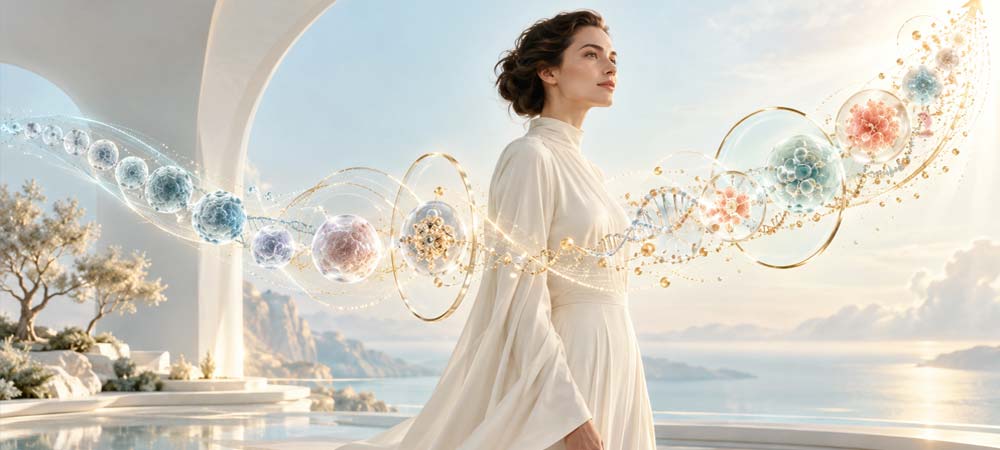
 Preventive medicine moved this conversation earlier. Longevity medicine moved it earlier again, introducing advanced biomarkers, genomic testing, wearables, biological-age clocks, body-composition analysis, metabolic tracking and increasingly sophisticated forms of health monitoring.