The Healing Power of Touch
EXPLORING THE INTERSECTION OF CONVENTIONAL MEDICINE, ANCIENT HEALING TRADITIONS AND THE SCIENCE OF WELLNESS
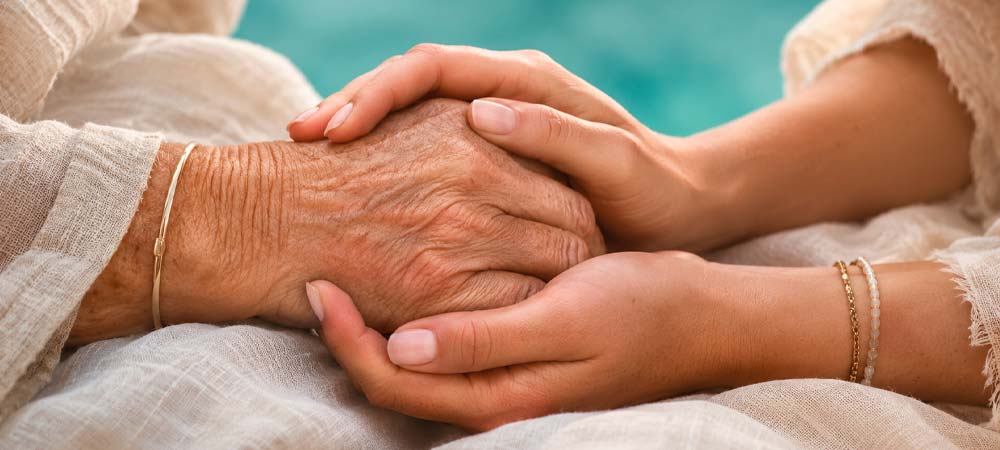
hen was the last time you held someone's hand, shared a meaningful embrace or simply felt the comforting presence of another human being?
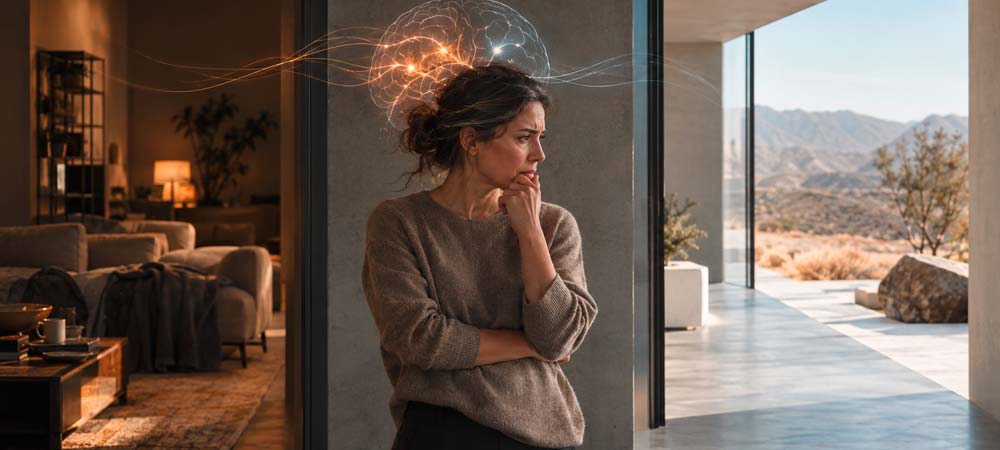
We live in an era of unprecedented digital connectivity, yet many of us are experiencing a growing sense of physical and emotional isolation.
As we explore the latest advances in longevity, preventive medicine and wellness technology, are we overlooking one of the most fundamental elements of human wellbeing – touch?
OUR FIRST LANGUAGE
Before we learn to speak, touch is how we experience the world. It communicates safety, affection, reassurance and belonging.
The importance of physical contact begins at birth. In neonatal medicine, skin-to-skin contact, known as kangaroo mother care, is recognized for its significant health benefits for premature infants.
But our need for meaningful physical contact does not disappear as we get older. It remains with us throughout our lives.
“In a world connected by technology, we must not forget the healing power of human touch.”
THE BIOLOGY OF TOUCH
The skin, our largest sensory organ, contains an intricate network of nerve endings that communicate directly with the nervous system.
Specialized sensory fibers known as C-tactile afferents respond to gentle, pleasurable touch, contributing to emotional regulation and social connection.
Research suggests that positive, consensual touch can :
- Reduce stress and anxiety
- Support emotional regulation
- Alleviate certain types of pain
- Promote relaxation and psychological wellbeing
- Strengthen feelings of trust and connection
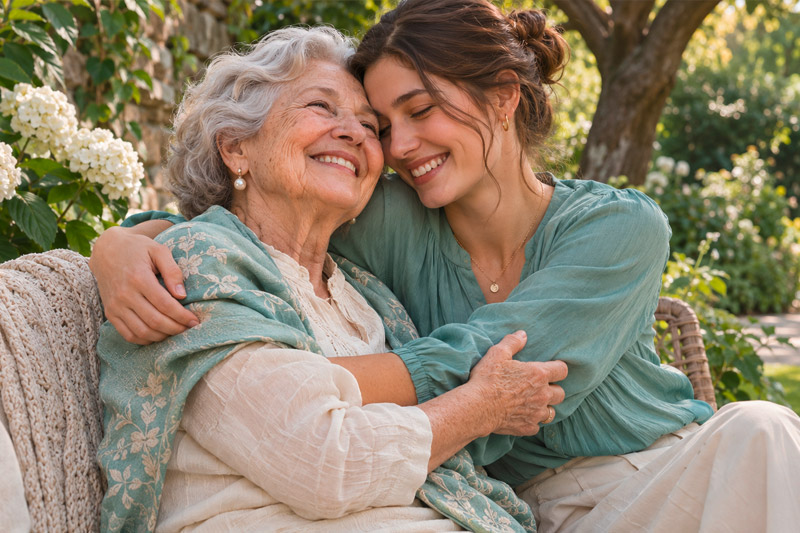
A comforting embrace is potentially far more than an emotional gesture. It is a biological experience.

ARE WE BECOMING A TOUCH-DEPRIVED SOCIETY
We communicate through screens, maintain friendships through social media and increasingly interact with artificial intelligence. Yet technology cannot fully replicate the warmth of an embrace or the reassuring sensation of another person’s hand.
The COVID-19 pandemic further exposed the challenges of physical isolation, while our increasingly digital lifestyles raise important questions about the future of human connection.
Could the absence of meaningful physical contact be one of the overlooked contributors to loneliness, anxiety and emotional distress?
TOUCH BEYOND INTIMACY
Physical contact does not have to be romantic to be meaningful. A professional massage, embracing a friend, stroking an animal, walking barefoot on the earth or immersing ourselves in warm water can reconnect us with our sensory experience.
These seemingly ordinary moments invite us to step away from the constant activity of the mind and return to the physical body. This is one reason why massage, bathing rituals and other sensory experiences have occupied such an important place in traditional wellness cultures for centuries.

LEARNING TO LISTEN WITH THE BODY
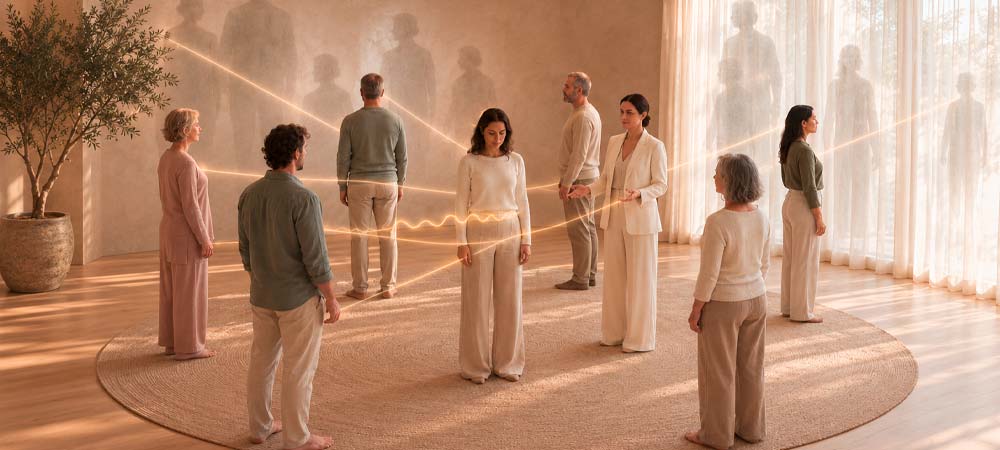
An intriguing example of conscious physical connection is Contact Improvisation, a contemporary dance practice based on spontaneous movement, shared balance and non-verbal communication.
Without predetermined steps or choreography, participants learn to respond to one another through movement, exploring trust, awareness and personal boundaries. There is no leader or follower.
Instead, the experience becomes a dialogue between two bodies, requiring presence, sensitivity and mutual respect. It challenges us to develop a skill that modern society may be gradually losing, the ability to listen with our entire being, rather than simply with our ears.
TOUCH, TRUST AND EMOTIONAL SAFETY
Not everyone experiences touch in the same way. Personal history, cultural background, sensory sensitivity and precious trauma can influence how comfortable we feel with physical contact. This is why consent and respect for individual boundaries are essential.
Positive touch should never be imposed. Its value lies precisely in the feeling of safety, freedom and connection it can create.
THE LONGEVITY OF HUMAN CONNECTION
As longevity science advances, we are learning more about the importance of social relationships and emotional wellbeing in healthy aging.
Activities such as social dancing combine physical movement, cognitive engagement and human interaction, offering a meaningful example of multidimensional wellness. Living longer should not only be about optimizing our biology, but also about enriching our ability to connect with others.
REDISCOVERING WHAT MAKES US HUMAN
We invest in sophisticated technologies to monitor our sleep, measure our stress levels and optimize our physical performance. Yet some of the most meaningful experiences of wellbeing require neither equipment no innovation.
In our pursuit of a healthier and longer life we need to rediscover something we have always possessed – the extraordinary power of human touch.